

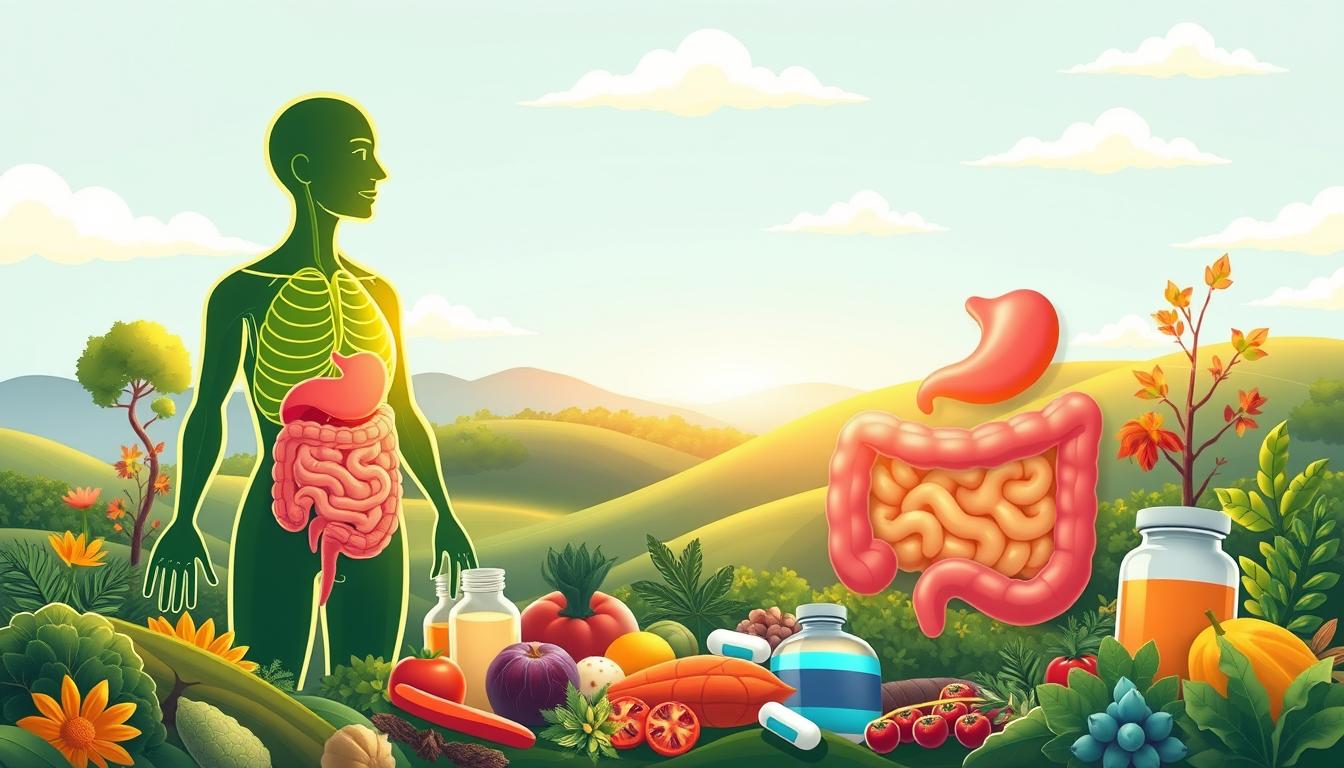
Why Gut Health is the Key to Your Overall Wellness
Keeping a healthy balance of gut bacteria is key to overall wellness. The gut microbiome is important for digestion and the immune system.
Why Gut Health is the Key to Your Overall Wellness
A healthy gut helps with nutrient absorption and energy. It also improves mental clarity. But, an imbalance can cause digestive issues, inflammation, and weaken the immune system.
Key Takeaways
- A healthy gut microbiome is vital for overall wellness.
- Gut bacteria play a critical role in digestion, immune function, and energy production.
- Maintaining a balance of gut bacteria is essential for proper bodily functions.
- Disruptions to the gut microbiome can lead to various health issues.
- Supporting gut health is critical for overall health and well-being.
Understanding the Gut Microbiome
It’s key to understand the gut microbiome for our health. This complex ecosystem has trillions of microorganisms in our gut.
A Healthy Gut: The Foundation
What Constitutes a Healthy Gut
A healthy gut has a balance of good microbes, a strong gut barrier, and good gut-brain communication. Beneficial bacteria help with digestion, make vitamins, and boost our immune system.
The Ecosystem Within: Bacteria, Fungi, and Viruses
The gut microbiome is full of different microbes like bacteria, fungi, and viruses. Bacteria, like Lactobacillus and Bifidobacterium, are good for us. Fungi, like Candida, and viruses, like bacteriophages, also matter a lot in our gut.
| Microorganism | Role in Gut Health |
| Bacteria | Aid in digestion, vitamin synthesis, and immune system support |
| Fungi | Influence immune response and gut barrier function |
| Viruses | Regulate bacterial populations and influence gut health |

gut microbiome ecosystem
The Gut-Brain Connection
A complex network links the gut and brain, vital for our health. This network affects our mental and physical well-being deeply. It’s made up of various pathways that influence our health in significant ways.
How Your Gut Communicates With Your Brain
The gut and brain talk through the vagus nerve and neurotransmitters. This is key to keeping balance and handling stress.
The Vagus Nerve Pathway
The vagus nerve is a main way for the gut and brain to share information. It sends signals that can either excite or calm the nervous system, depending on the situation.
Neurotransmitter Production in the Gut
The gut makes a lot of the body’s neurotransmitters, like serotonin and dopamine. These are important for mood, hunger, and sleep. The gut’s health affects how much of these neurotransmitters is made.
The Impact of Gut Health on Mental Wellness
Gut health greatly affects our mental health. Research shows a strong connection between gut bacteria and mental health issues. An imbalance in gut bacteria, or dysbiosis, is linked to many mental health problems.
Anxiety and Depression Links
People with anxiety and depression often have different gut bacteria. The gut-brain connection is key in these conditions’ development and management.
Stress Response and Gut Function
The gut is very sensitive to stress, which can harm its function. This can change the gut bacteria, affecting the brain. It creates a cycle that’s hard to stop without help.
Why Gut Health is the Key to Your Overall Wellness
Keeping your gut healthy is key to feeling good. The gut, often called the body’s second brain, is vital for many bodily functions. It helps keep our body systems working well.
The Gut as Your Body’s Second Brain
The gut and brain talk to each other through the gut-brain axis. This network lets them share information. The gut makes important chemicals like serotonin and dopamine, which help us feel good and think clearly.
A healthy gut is important for our mood and mental health. It helps prevent anxiety and depression.
Gut Health’s Influence on Immune Function
Most of our immune system lives in the gut. The gut’s good bugs help our immune system fight off bad guys. They keep our immune system in balance.
A healthy gut is key for our immune cells to work properly. These cells protect us from sickness and disease.
How Gut Health Affects Energy Levels and Metabolism
Gut health affects how we feel and our metabolism. The good bugs in our gut help us get energy from food. If our gut is out of balance, it can lead to problems like obesity and low energy.
In short, gut health is linked to many parts of our wellness. It affects our mood, immune system, and energy. Eating well, taking probiotics, and living healthily can help keep our gut in check.
Common Signs of Poor Gut Health
Knowing the signs of poor gut health is key to spotting problems early. Your gut health is vital for your overall health. Recognizing these signs is the first step to finding balance.
Digestive Symptoms to Watch For
Digestive problems are often the first signs of poor gut health. These can include:
- Bloating and gas
- Abdominal discomfort
- Irregular bowel movements
Bloating, Gas, and Discomfort
Bloating, gas, and discomfort are common in those with poor gut health. These symptoms happen because of an imbalance in gut bacteria. This imbalance makes digestion and nutrient absorption less efficient.
Irregular Bowel Movements
Irregular bowel movements, like constipation or diarrhea, show gut imbalance. This irregularity can cause discomfort and more problems if not fixed.
Non-Digestive Indicators of Gut Imbalance
Gut health impacts more than just digestion. Look out for:
- Skin conditions
- Inflammation
- Fatigue and mood disturbances
Skin Conditions and Inflammation
Skin problems like acne, eczema, or rashes can be linked to gut health. Inflammation from poor gut health can show up on the skin, showing an imbalance.
Fatigue and Mood Disturbances
Fatigue and mood swings can also point to poor gut health. The gut-brain axis is complex. An imbalance can affect your energy and mood.
Nutrition Strategies for Optimal Gut Health
Nutrition is key to keeping your gut healthy. Eating the right foods can boost your immune system and overall health. A balanced diet supports the good bacteria in your gut.
Fiber-Rich Foods That Feed Beneficial Bacteria
Foods high in fiber are great for your gut. Whole grains, legumes, fruits, and vegetables are full of fiber. Eating these can help your gut health by feeding the good bacteria.
The Role of Fermented Foods and Probiotics
Fermented foods and probiotics are vital for a healthy gut. Fermented foods like yogurt and sauerkraut have live cultures. These foods and probiotics add good bacteria to your gut.
| Food Type | Examples | Benefits |
| Fiber-Rich Foods | Whole grains, legumes, fruits, vegetables | Feeds beneficial bacteria, promotes gut health |
| Fermented Foods | Yogurt, kefir, sauerkraut, kimchi | Introduces beneficial bacteria, supports gut balance |
| Probiotics | Probiotic supplements, probiotic-rich foods | Supports gut health, enhances immune function |
Foods to Limit for Better Gut Function
Some foods can harm your gut. Foods with sugar, processed ingredients, and saturated fats can upset your gut’s balance. Cutting down on these can help keep your gut healthy.
Practical Steps to Improve Your Gut Health
To improve gut health, focus on stress reduction, better sleep, and regular exercise. These habits can greatly boost your gut health and overall well-being.
Stress Management Techniques
Managing stress is key to a healthy gut. Try meditation, yoga, and deep breathing exercises to lower stress. These activities calm your mind and help your gut microbiome.
Sleep Optimization for Gut Health
Getting enough sleep is important for your gut. Aim for 7-8 hours each night and stick to a routine. A cool, dark bedroom can also help you sleep better.
Exercise Recommendations for Microbiome Diversity
Exercise is vital for a diverse microbiome. Mix aerobic exercises like walking or cycling with strength training. Try to do at least 30 minutes of moderate exercise daily.
| Activity | Benefits for Gut Health | Recommended Frequency |
| Meditation | Reduces stress, promotes balance in gut microbiome | Daily, 10-15 minutes |
| Aerobic Exercise | Enhances microbiome diversity, improves gut motility | At least 30 minutes, 3-4 times a week |
| Strength Training | Supports overall gut health, improves metabolism | 2-3 times a week |
Conclusion: Building a Foundation for Wellness Through Gut Health
Gut health is key to staying well. A healthy gut helps your immune system, gives you energy, and boosts your mood.
Putting gut health first is vital for wellness. Knowing how the gut and brain connect and using good nutrition can improve your health. This way, you can manage your health better.
A healthy gut is the basis for good health. By focusing on gut health, you can see big improvements in your life. This includes clearer thinking and better physical health.
In short, gut health is essential for being well. A balanced gut microbiome is the heart of a healthy body and mind. By focusing on gut health, you can reach your full wellness.
FAQ
What is the gut microbiome, and why is it important for overall wellness?
The gut microbiome is the trillions of microorganisms in your gut. It’s key for your health because it affects digestion, immune function, and even your mood.
How does gut health affect mental wellness?
Gut health greatly impacts your mental state. This is because your gut and brain talk to each other. An imbalance in gut bacteria can lead to anxiety, depression, and stress.
What are some common signs of poor gut health?
Signs include bloating, gas, and discomfort. You might also see skin issues, inflammation, fatigue, and mood swings.
How can I improve my gut health through diet?
Eat foods rich in fiber like fruits, veggies, and whole grains. Add fermented foods like yogurt and sauerkraut. Avoid sugary and processed foods.
What role do probiotics play in gut health?
Probiotics are good bacteria that help your gut. They improve digestion, boost your immune system, and even make vitamins.
Can stress affect gut health?
Yes, stress hurts your gut. It can change your gut bacteria and make symptoms worse. Try stress-reducing activities like meditation or yoga.
How does sleep affect gut health?
Sleep is vital for your gut. Bad sleep can upset your gut bacteria, affecting your metabolism and immune system. Good sleep is key to a healthy gut.
Can exercise influence gut health?
Yes, exercise is good for your gut. It boosts your gut’s diversity and immune system. Try walking, running, or other aerobic exercises.