

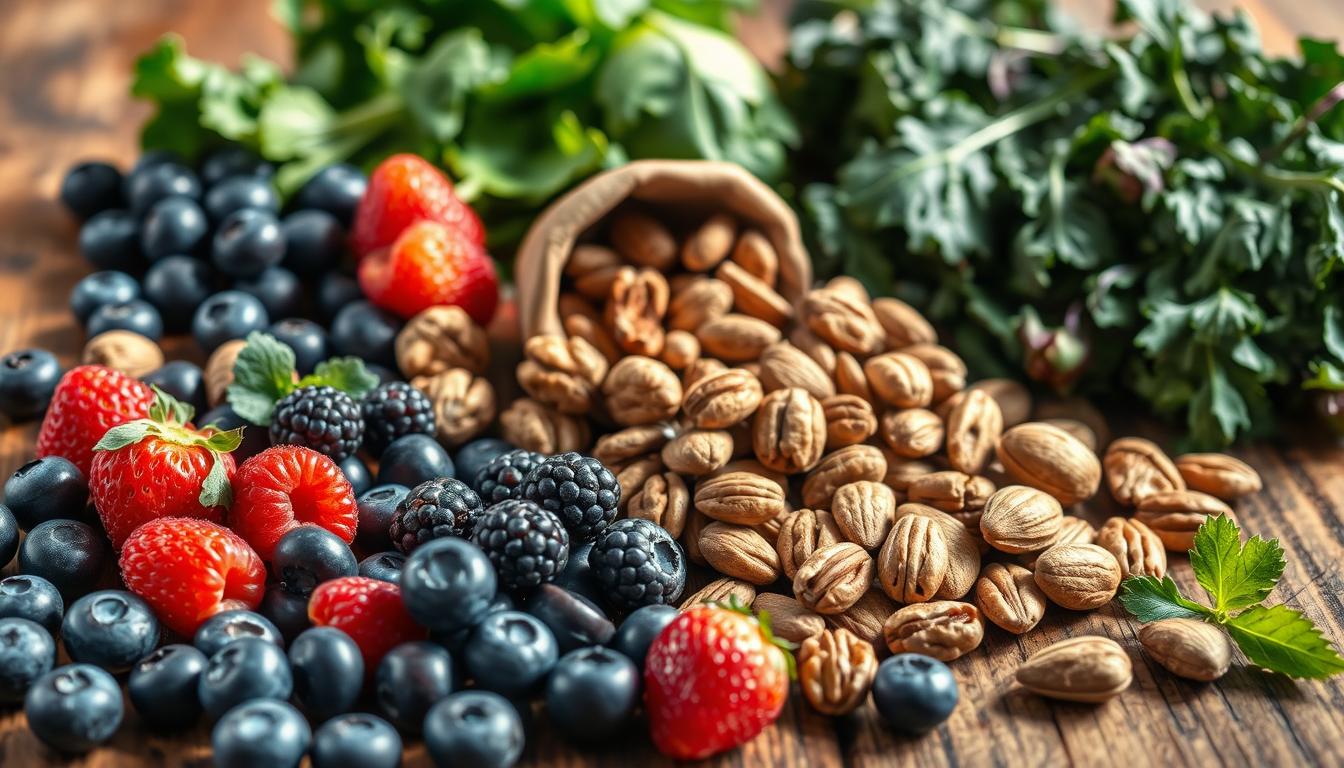
Foods That Naturally Boost Brain Function and Memory
A wellnourished brain is key to good cognitive health and memory. The food we eat greatly affects our brain’s function. It helps us focus, learn, and remember better.
Foods That Naturally Boost Brain Function and Memory
Eating brain-boosting foods can improve our thinking skills. These foods contain nutrients that help our memory and brain work better. By choosing the right foods, we can keep our brains healthy.
Key Takeaways
- Including specific foods in your diet can support brain health.
- Nutrients and compounds in these foods enhance cognitive function.
- A well-nourished brain is essential for good memory and thinking.
- Dietary choices are very important for brain health.
- Certain foods can naturally improve memory and brain function.
The Science of Brain Nutrition
The link between diet and brain health is complex. It involves many nutrients and biochemical processes. Eating a balanced diet is key to keeping your brain sharp and healthy.
How Diet Affects Cognitive Function
Diet is vital for brain functions like memory, attention, and solving problems. The food we eat gives our brains what they need to work and grow.
The Blood-Brain Barrier and Nutrient Delivery
The blood-brain barrier controls what gets into the brain. Essential nutrients like glucose and amino acids get through. This helps the brain function well.
Neuroplasticity and Dietary Support
Neuroplasticity lets the brain adapt and change. Eating foods rich in antioxidants and omega-3 fatty acids helps. It keeps the brain healthy and flexible.
Key Nutrients for Brain Health
Eating a variety of whole foods is important for brain health. These foods provide the nutrients the brain needs. Key nutrients include:
Essential Fatty Acids
Omega-3 fatty acids, like EPA and DHA, are vital. They help build and maintain brain cells.
Antioxidants and Neuroprotective Compounds
Antioxidants, such as vitamins C and E, and polyphenols in fruits and veggies, protect the brain. They fight off oxidative stress and inflammation.
Vitamins and Minerals Critical for Brain Function
Vitamins B6, B9, and B12, and minerals like magnesium and zinc, are important. They help make neurotransmitters and keep neurons healthy.

brain nutrition
Fatty Fish and Omega-3 Rich Foods
Eating fatty fish can make your brain work better and improve memory. These foods are key to a healthy brain. Omega-3 fatty acids, like EPA and DHA, are vital for brain health.
Salmon, Trout, and Sardines
Salmon, trout, and sardines are full of omega-3s. They taste great and are good for your brain. Salmon has lots of DHA, important for brain cells.
Optimal Serving Sizes and Frequency
Eat fatty fish at least twice a week for brain benefits. Aim for a 3.5-ounce (100-gram) serving size.
Preparation Methods That Preserve Brain Benefits
Grill, bake, or poach fatty fish to keep omega-3s. Avoid frying to keep nutrients.
Plant-Based Omega-3 Sources
For plant-based diets, there are plant-based omega-3 options. Walnuts, flaxseeds, and chia seeds are good sources of ALA.
Walnuts, Flaxseeds, and Chia Seeds
Walnuts are great because they also have antioxidants. Add flaxseeds and chia seeds to smoothies or salads.
Conversion Efficiency of Plant Omega-3s
Plant-based omega-3s are good, but the body can’t convert ALA to EPA and DHA well. Eating different types of omega-3s is best.
How Omega-3s Support Brain Cell Structure
Omega-3s are vital for brain cells. They help keep cells working right and talking to each other. Dr. Joseph Hibbeln says,
“Omega-3 fatty acids are essential for brain function, and their deficiency has been linked to various neurological disorders.”
Eating fatty fish and plant-based omega-3s can help your brain stay healthy. This might also lower the chance of losing brain function.
Antioxidant-Rich Berries and Fruits
Berries and fruits are not just tasty but also full of antioxidants. These compounds help protect the brain from damage. Eating a variety of these can greatly improve brain health.
Blueberries, Strawberries, and Blackberries
Blueberries, strawberries, and blackberries are among the top antioxidant-rich berries. They are loaded with anthocyanins. These powerful antioxidants boost memory and brain function.
Anthocyanins and Memory Enhancement
Anthocyanins, found in blueberries and blackberries, improve memory. Research shows they can enhance memory recall and slow down cognitive aging.
Fresh vs. Frozen Berry Benefits
Fresh and frozen berries are both good for you. Frozen berries are just as nutritious as fresh ones and are more convenient.
Citrus Fruits and Vitamin C
Citrus fruits like oranges, lemons, and grapefruits are full of vitamin C. Vitamin C is a strong antioxidant that supports brain health. It helps fight age-related cognitive decline.
How Antioxidants Combat Brain Aging
Antioxidants fight brain aging by protecting against free radicals and reducing inflammation. This keeps our brains working well as we get older.
Free Radical Protection
Free radicals harm brain cells, causing cognitive decline. Antioxidants neutralize these harmful molecules, protecting our brains.
Reducing Inflammation in Neural Tissue
Chronic brain inflammation leads to cognitive decline. Antioxidants reduce this inflammation, supporting long-term brain health.
Foods That Naturally Boost Brain Function and Memory
Some foods can naturally boost your brain’s abilities and memory. Adding these foods to your diet can help keep your brain healthy and improve your mental skills.
Nuts and Seeds for Brain Power
Nuts and seeds are full of nutrients good for your brain. They have healthy fats, antioxidants, and important vitamins and minerals.
Almonds, Hazelnuts, and Vitamin E
Almonds and hazelnuts are great because they have lots of vitamin E. Vitamin E helps protect brain cells and keeps your brain working well.
Pumpkin Seeds and Zinc for Cognitive Function
Pumpkin seeds are packed with zinc. Zinc is key to brain function and helps your brain stay sharp.
Dark Chocolate and Cocoa Products
Dark chocolate and cocoa have flavanols. Flavanols help blood flow to the brain and boost brain function.
Flavanols and Cerebral Blood Flow
Flavanols in dark chocolate can make blood flow better to the brain. This might help improve your memory and thinking skills.
Choosing Quality Chocolate Products
To get the most benefits, pick dark chocolate with at least 70% cocoa. Also, choose chocolate with little added sugar.
Leafy Greens and Cruciferous Vegetables
Leafy greens and cruciferous veggies are full of nutrients good for the brain. They have folate and sulforaphane.
Spinach, Kale, and Folate Benefits
Spinach and kale are rich in folate. Folate is important for brain function and might help prevent brain decline.
Broccoli, Cauliflower, and Sulforaphane
Broccoli and cauliflower have sulforaphane. Sulforaphane is good for protecting brain cells.
| Nutrient | Food Source | Cognitive Benefit |
| Vitamin E | Almonds, Hazelnuts | Protects cells from oxidative stress |
| Zinc | Pumpkin Seeds | Supports neuronal function |
| Flavanols | Dark Chocolate | Improves cerebral blood flow |
| Folate | Spinach, Kale | Essential for cognitive function |
| Sulforaphane | Broccoli, Cauliflower | Neuroprotective effects |
Eating these foods can greatly improve your brain health and thinking skills. By choosing the right foods, you can help your brain stay healthy and possibly improve your memory and thinking.
Brain-Boosting Beverages and Spices
Adding the right drinks and spices to your diet can really help your brain. It’s key to know how these items can make your mind clearer and healthier.
Coffee, Tea, and Their Cognitive Benefits
Coffee and tea are big favorites around the world. They have special compounds like caffeine and L-theanine that boost brain power.
Caffeine and Short-term Memory Enhancement
Caffeine makes you more alert and sharpens short-term memory. Research shows it helps with tasks that need focus and memory.
L-theanine in Green Tea and Focus
L-theanine in green tea helps you relax and stay focused. It works well with caffeine to keep you alert but calm, improving your brain function.
Optimal Consumption Timing and Amounts
When and how much you drink coffee and tea matters. Drinking them in the morning or early afternoon is best. This way, you get their benefits without feeling jittery or having trouble sleeping.
Turmeric, Cinnamon, and Other Beneficial Spices
Spices like turmeric and cinnamon are not just tasty. They’re also good for you, thanks to their anti-inflammatory and antioxidant effects. These can help keep your brain healthy.
Curcumin and Its Anti-inflammatory Properties
Curcumin in turmeric fights inflammation. It can even get into your brain, helping to reduce inflammation and stress there.
Incorporating Spices into Daily Meals
It’s easy and tasty to add turmeric and cinnamon to your meals. They not only make food taste better but also support your brain health.
A study found that eating anti-inflammatory spices like turmeric can slow down cognitive decline.
“The active compounds in spices like curcumin have shown promise in lowering the risk of neurodegenerative diseases.”
Creating a Brain-Healthy Meal Plan
Creating a meal plan that’s good for your brain is key to keeping your mind sharp. A well-planned diet includes nutrients that boost brain health. First, learn what foods are best for your brain.
Balanced Breakfast Ideas for Mental Clarity
Start your day with a balanced breakfast for clear thinking. Eat foods high in omega-3s, antioxidants, and complex carbs. These give you energy and help your brain work better.
Quick Omega-3 Rich Morning Options
For quick mornings, try quick omega-3-rich options. Think walnut-topped oatmeal or a chia seed and berry smoothie.
Weekend Brain-Boosting Breakfast Recipes
On weekends, go for brain-boosting breakfast recipes. Try scrambled eggs with spinach and whole-grain toast or avocado toast with poached eggs.
Brain-Powering Lunches and Dinners
Lunch and dinner should also focus on brain health. Eat lean proteins, healthy fats, and lots of veggies. This keeps your brain sharp.
Meal Prep Strategies for Busy Professionals
Busy folks can use meal prep strategies. Make big batches of healthy foods like quinoa salads with roasted veggies and lean proteins.
Family-Friendly Brain Food Recipes
For families, pick brain-healthy recipes everyone likes. Baked salmon with sweet potato and broccoli is tasty and good for you.
Smart Snacking for Sustained Cognitive Function
Snacking is important for keeping your brain sharp all day. Choose snacks with antioxidants and healthy fats for energy.
On-the-Go Brain Boosters
For snacks on the move, pick brain-boosting options. Nuts and seeds, dried fruits, or energy bars with good ingredients are great.
Evening Snacks That Support Memory Consolidation
In the evening, eat snacks that help with memory consolidation. Try berries with almonds or a cup of herbal tea.
Conclusion
Eating foods that boost your brain is easy and helps a lot. Foods like fatty fish, berries, nuts, seeds, dark chocolate, and leafy greens are great. They give your brain what it needs to work well.
Adding these foods to your diet can make your memory and focus better. It also helps you think more clearly. Making smart food choices is a good way to keep your brain healthy as you get older.
Studies show that eating foods full of omega-3s, antioxidants, and other nutrients is key to brain health. This means a balanced diet is very important for keeping your brain sharp.
Start adding these brain-boosting foods to your meals. It’s a simple way to make your mind healthier and sharper.
FAQ
What are the best foods to boost brain function and memory?
Foods high in omega-3s, antioxidants, and vitamins are great for the brain. Try fatty fish, berries, nuts, seeds, dark chocolate, leafy greens, and cruciferous veggies.
How do omega-3 fatty acids support brain health?
Omega-3s, like EPA and DHA, are key for brain cells. They help keep brain cells strong and support memory and thinking.
Are there plant-based sources of omega-3 fatty acids?
Yes, you can get omega-3s from walnuts, flaxseeds, chia seeds, and canola oil. These sources have ALA, which the body can turn into EPA and DHA, but not always efficiently.
How do antioxidants in berries and fruits benefit the brain?
Antioxidants in berries and fruits protect the brain from damage. They boost memory and thinking by fighting off harmful free radicals and inflammation.
Can certain beverages and spices really improve cognitive function?
Yes, drinks like coffee and green tea can improve focus and thinking. Spices like turmeric may also help brain health with their anti-inflammatory effects.
How can I incorporate brain-boosting foods into my daily diet?
Start by eating fatty fish a few times a week. Snack on nuts and seeds, and eat a variety of fruits and veggies. Try meal prep and brain-healthy recipes to make it easier.
Are there any specific brain-boosting foods that are suitable for children?
Yes, kids need foods rich in omega-3s, antioxidants, and nutrients. Fatty fish, berries, nuts, and leafy greens are good. Just make sure they’re prepared safely and appealingly for kids.
Can dietary changes alone improve brain function and memory?
Dietary changes are important, but they’re just part of the picture. A balanced diet, exercise, enough sleep, and mental challenges are also key to brain health and memory.